Parenting can be both rewarding and challenging, especially when dealing with strong-willed children. Many parents struggle to understand the right approach when their child refuses to listen, argues frequently, or resists instructions. Learning how to handle stubborn child behavior in a positive way is essential for building a healthy relationship while guiding children toward better habits.
Children often display stubbornness as a way to express independence, emotions, or unmet needs. Instead of reacting with frustration, it is important to approach the situation with patience, understanding, and effective strategies. By focusing on communication and consistency, parents can turn difficult moments into opportunities for growth.
Understanding How to Handle Stubborn Child Behavior Calmly
To effectively manage difficult situations, parents must first understand the root causes behind stubborn actions. When learning how to handle stubborn child behavior, recognizing triggers helps in applying the right solution rather than reacting emotionally, leading to more positive and lasting outcomes.
Emotional Triggers Behind Stubbornness
Children may become stubborn when they feel unheard, overwhelmed, or frustrated. Their behavior is often a response to emotions they cannot fully express. Providing patience, active listening, and clear guidance can help them feel understood and gradually improve their responses.
Developmental Independence
As children grow, they naturally seek independence. This can sometimes appear as resistance, but it is actually an important part of their development process. With the right guidance and patience, this stage can help build confidence, decision-making skills, and a stronger sense of self.
Need for Attention
Sometimes, stubborn behavior is simply a way to gain attention, especially when children feel overlooked or disconnected. Positive engagement, consistent responses, and quality time can gradually reduce such patterns and encourage healthier ways of expressing their needs.
Positive Communication Strategies for Better Behavior
Using effective communication is key when learning how to handle stubborn child behavior. The way parents speak can either calm or escalate the situation, so a gentle tone, clear words, and active listening can make a big difference in guiding a child’s response.
Active Listening
Listening carefully to your child helps them feel valued and respected. It also allows you to better understand their perspective before responding, which leads to more thoughtful guidance and stronger communication between parent and child.
Clear and Simple Instructions
Children respond better to clear and direct communication rather than long explanations. Simple, concise instructions help them understand expectations quickly and reduce confusion, making it easier for them to respond positively.
Calm Tone and Body Language
Maintaining a calm tone helps prevent conflict and sets a positive example for emotional control. It also helps children feel safe and understood, making them more likely to listen, cooperate, and respond in a balanced way.
How to Handle Stubborn Child Behavior Through Consistency
Consistency plays a major role in shaping behavior. When children know what to expect, they feel more secure and are less likely to resist.
Setting Clear Boundaries
Establishing rules helps children understand limits and expectations.
Following Through with Consequences
Consistent consequences teach responsibility and accountability. When applied fairly and predictably, they help children understand the impact of their actions and encourage them to make better choices in the future.
Routine and Structure
Daily routines reduce uncertainty and help children cooperate more easily. They create a sense of structure and security, making it easier for children to understand expectations and follow them with less resistance.
Encouraging Cooperation Without Force
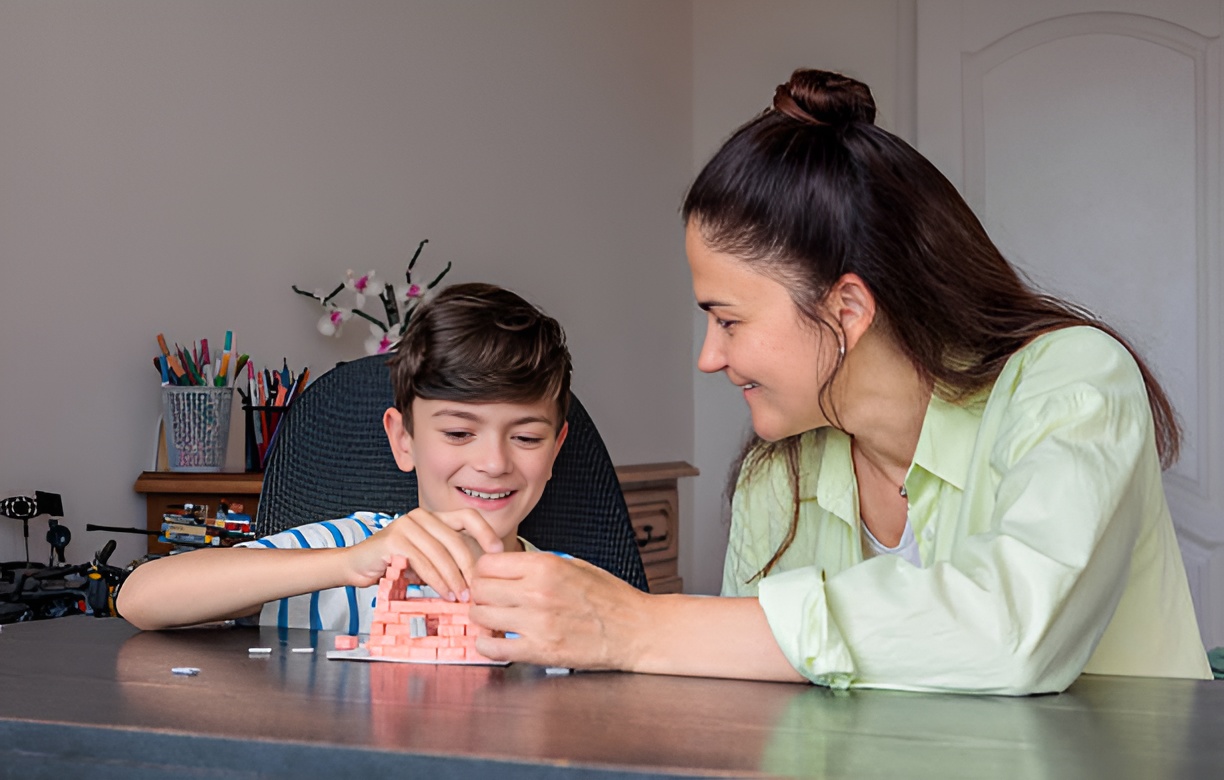
Parents often think control is the solution, but cooperation works better. Learning how to handle stubborn child behavior means guiding rather than forcing.
Offering Choices
Giving limited choices allows children to feel in control while still following rules.
Positive Reinforcement
Praising good behavior encourages children to repeat it. Positive reinforcement builds confidence, strengthens desirable habits, and motivates children to continue making better choices over time.
Avoiding Power Struggles
Engaging in arguments can increase stubbornness. Staying calm helps de-escalate tension.
Emotional Support and Understanding
Children need emotional support to develop healthy behavior patterns. Addressing emotions is a key part of how to handle stubborn child behavior.
Teaching Emotional Expression
Helping children express feelings reduces frustration and resistance.
Building Trust
A strong parent-child bond makes children more willing to listen and cooperate.
Patience in Difficult Moments
Responding with patience instead of anger creates a safe environment for learning. It helps children feel emotionally secure, encourages better communication, and allows them to understand and correct their behavior without fear or stress.
Common Mistakes Parents Should Avoid
While trying to correct behavior, some approaches can make things worse. Understanding mistakes improves how to handle stubborn child behavior effectively.
Overreacting to Small Issues
Not every situation requires a strong reaction. Choosing battles wisely is important, as it helps reduce unnecessary conflict, preserve emotional energy, and focus attention on behaviors that truly need correction.
Inconsistent Discipline
Changing rules frequently confuses children and encourages resistance.
Using Negative Language
Harsh words can damage confidence and increase defiance.
Long-Term Habits That Improve Behavior
Building long-term habits helps children grow into responsible individuals. Practicing how to handle stubborn child behavior consistently leads to lasting results.
Encouraging Problem-Solving
Teaching children to think through problems builds independence. It encourages them to evaluate situations, make their own decisions, and develop critical thinking skills that help them handle challenges more confidently.
Modeling Good Behavior
Children learn by observing their parents’ actions and reactions.
Rewarding Effort, Not Just Results
Recognizing effort motivates children to keep improving.
Building a Positive Home Environment
A supportive home environment plays a significant role in behavior management. Creating a calm space supports how to handle stubborn child behavior naturally.
Open Communication Culture
Encouraging open discussions helps children feel safe and understood.
Balanced Discipline Approach
Combining firmness with kindness creates a healthy balance. It allows parents to set clear boundaries while still showing empathy and understanding, helping children feel respected while learning appropriate behavior.
Encouraging Responsibility
Giving age-appropriate responsibilities builds confidence and cooperation.
Conclusion
Handling stubborn behavior requires patience, consistency, and understanding. By learning how to handle stubborn child behavior in a positive way, parents can guide their children without damaging trust or confidence.
Every child is unique, and there is no single solution that works for all. However, with the right approach, stubborn moments can become valuable learning experiences. Ultimately, how to handle stubborn child behavior is about building a strong relationship, encouraging growth, and creating a supportive environment where children feel understood and guided.