Modern family life often feels fast, unpredictable, and overwhelming. Between school runs, work responsibilities, household chores, and digital distractions, evenings can quickly become chaotic rather than peaceful. Yet evenings hold a powerful opportunity to reset the home environment, strengthen family connections, and prepare both parents and children for a calmer tomorrow.
Creating a structured rhythm at the end of the day is not about strict rules or perfection. Instead, it is about designing gentle habits that reduce stress and bring emotional balance to the household. A well-planned evening routine for families with kids can transform daily exhaustion into a more peaceful and meaningful family experience.
Many parents underestimate how much impact small evening habits can have on overall wellbeing. Even simple actions such as shared meals, quiet conversations, and consistent bedtime patterns can improve sleep quality, emotional stability, and family bonding. Over time, these habits become the foundation of a more harmonious home environment.
The Importance of Evening Routine for Families with Kids
A structured evening rhythm helps children feel secure and gives parents a sense of control after a busy day. Predictability is especially important for children because it reduces anxiety and improves emotional regulation. When children know what to expect, they feel more relaxed and cooperative.
The importance of an evening routine for families with kids extends beyond bedtime. It influences behaviour, communication, and even academic performance. Children who follow consistent routines often sleep better, wake up more refreshed, and perform more confidently during the day.
Creating Emotional Stability at Home
Evenings provide a unique opportunity for emotional connection. After a long day of responsibilities, families can slow down and reconnect without external pressure. This time allows parents to listen, children to express themselves, and everyone to feel emotionally supported.
Simple conversations during dinner or bedtime often become meaningful moments that strengthen trust and understanding within the family.
Reducing Stress for Parents and Children

Without structure, evenings can feel rushed and stressful. Parents may struggle to complete tasks, while children may resist bedtime. A predictable routine reduces these conflicts by providing clear expectations.
A consistent evening routine for families with kids helps eliminate last-minute decisions, making the home environment more peaceful and organised.
Building a Calm Evening Environment
A calm atmosphere is the foundation of a successful family evening. The environment influences behaviour, mood, and energy levels for both children and adults.
Creating a Peaceful Transition from Day to Night
Transitioning from busy daytime activity to a slower evening pace is essential. Dimming lights, reducing noise, and turning off unnecessary screens help signal the brain that it is time to relax.
This gradual shift supports emotional regulation and prepares children for sleep more naturally.
Encouraging Family Connection Time
Shared family time does not need to be complicated. Sitting together for meals, discussing the day, or engaging in simple activities helps build stronger relationships.
These moments are at the heart of an effective evening routine for families with kids, as they encourage emotional bonding and open communication.
Limiting Digital Distractions
Excessive screen time can interfere with relaxation and sleep quality. Reducing device usage during the evening allows families to focus on meaningful interactions and calming activities.
This change also helps children wind down more effectively before bedtime.
Creating Structure That Supports Daily Peace
A well-designed evening structure does not need to be strict or complicated. The goal is to create a natural flow that helps children and parents move smoothly from active hours into rest. When routines feel predictable, the entire household becomes more stable and less reactive to stress.
An effective evening routine for families with kids works best when it balances flexibility with consistency. This allows families to adjust when needed while still maintaining a sense of order that children can rely on every day.
Establishing Consistent Bedtime Habits
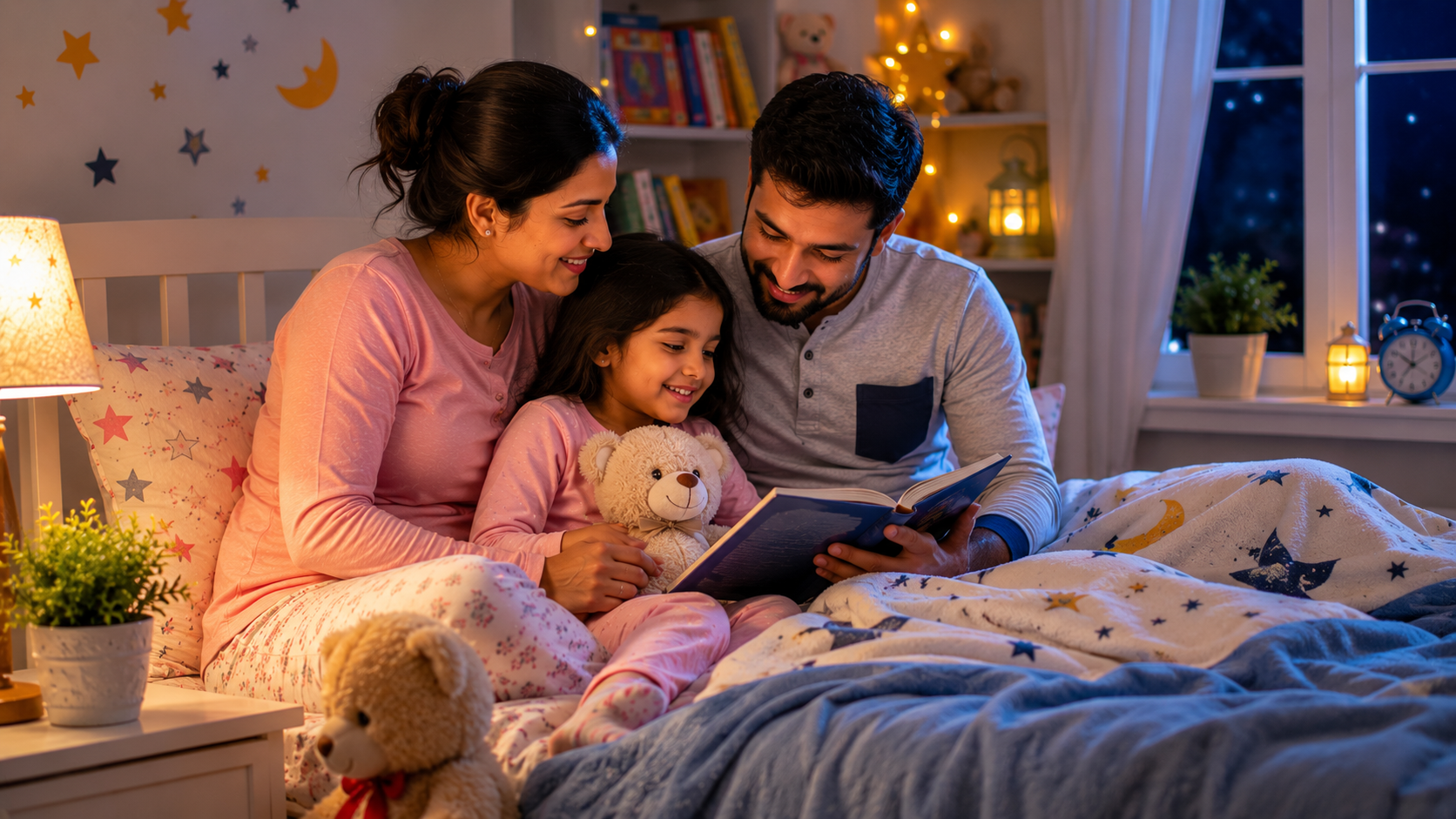
Sleep plays a vital role in a child’s development, mood, and learning ability. A consistent bedtime helps regulate the body’s internal clock, making it easier for children to fall asleep and wake up naturally.
Simple habits such as reading a story, brushing teeth, and calming conversation signal that the day is ending. Over time, these repeated actions become comforting cues that support better sleep quality and emotional wellbeing.
Encouraging Gentle Wind-Down Activities
Before bedtime, it is helpful to include calming activities that reduce excitement and prepare the mind for rest. These can include reading, drawing, soft music, or quiet reflection.
Such activities reduce overstimulation and help children transition smoothly into sleep without resistance or anxiety.
Supporting Emotional Connection Before Sleep
Bedtime offers an important opportunity for emotional bonding. A few minutes of one-on-one attention with children can make them feel secure and valued.
This emotional connection strengthens trust within the family and reinforces the stability of a consistent evening routine for families with kids.
Strengthening Family Bonds Through Routine
Beyond structure and sleep, evenings are an opportunity to build deeper family relationships. Shared routines encourage communication, cooperation, and emotional understanding among family members.
Sharing Simple Family Conversations
Talking about the day helps children express their thoughts and feelings. It also allows parents to understand challenges their children may be facing.
These conversations do not need to be long or formal. Even a few minutes of genuine attention can create meaningful emotional impact.
Building Positive Daily Reflections
Encouraging children to reflect on their day helps develop gratitude and self-awareness. This practice supports emotional intelligence and helps children focus on positive experiences.
Regular reflection becomes a valuable part of an evening routine for families with kids, promoting a more optimistic mindset.
Creating a Sense of Security and Belonging
Children thrive in environments where they feel safe, loved, and understood. Consistent evening habits provide this sense of security by creating predictable patterns of care and attention. This emotional stability plays a major role in long-term confidence and development.
Conclusion
A calm and structured evening can completely transform family life. Instead of ending the day in stress and exhaustion, families can create moments of peace, connection, and emotional balance. Simple routines, when practised consistently, lead to stronger relationships and healthier daily rhythms.
Effectiveness is not about perfection but about consistency and care. Small habits such as shared meals, calming activities, and bedtime conversations build a supportive environment where children feel secure and parents feel more in control.
By maintaining a thoughtful evening routine for families with kids, families can reduce stress, improve sleep quality, and strengthen emotional bonds. Over time, these routines become the foundation of a more peaceful and connected home life.
Frequently Asked Questions (FAQs)
Why is an evening routine important for families?
It helps reduce stress, improves sleep quality, and creates a stable environment where children feel safe and supported by promoting consistency, comfort, and emotional wellbeing.
How long should a family evening routine take?
It depends on the household, but even 30 to 60 minutes of structured calm time can make a significant difference by improving relaxation, focus, and overall family balance.
What if our evenings are very busy?
Even small consistent habits such as reading together or having a short conversation can still create a positive impact by strengthening relationships, improving communication, and building emotional connection over time.
Can screen time be included in a healthy evening routine?
Yes, but it should be limited and balanced with calming, non-digital activities to support better relaxation, healthier routines, and improved overall wellbeing.
How quickly do children adapt to a routine?
Most children begin adjusting within a few weeks if the routine is consistent and predictable, as regular structure helps them feel secure and understand expectations more easily.